Dec 18, 2025
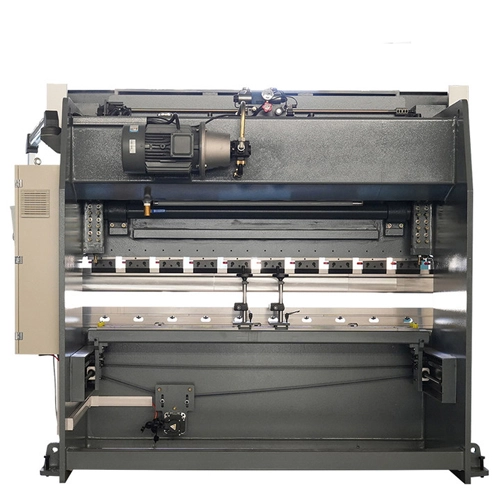
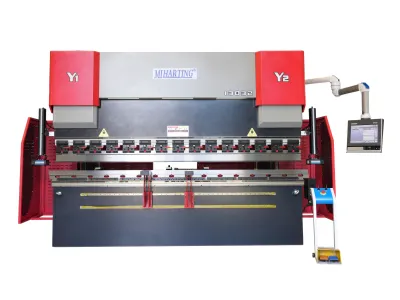
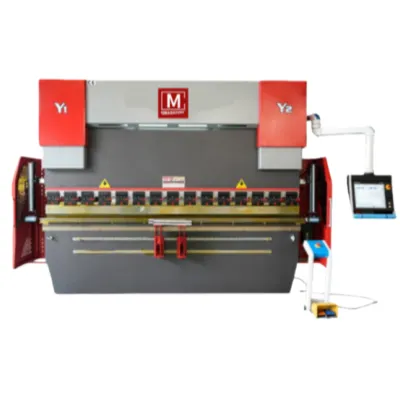
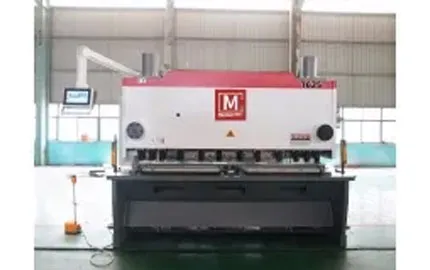
Consistent daily maintenance keeps a torsion axis press brake machine accurate, stable, and reliable throughout its service life. Regular inspection and basic care prevent synchronization errors, reduce hydraulic failures, and protect bending accuracy—issues that directly affect part quality and production efficiency. For most sheet metal workshops, a disciplined daily checklist is the simplest way to avoid unplanned downtime and costly repairs.
Daily checks should focus on mechanical synchronization, hydraulic system condition, tooling alignment, and safety components. These areas have the greatest impact on bending accuracy and machine stability.
The torsion bar is the core component that keeps both sides of the ram moving in parallel. Any imbalance affects bending angles across the workpiece.
Daily actions:
Observe ram movement during initial strokes for smooth, symmetrical motion
Listen for abnormal mechanical noise near the torsion axis
Check mechanical linkages for visible looseness or wear
Confirm left and right sides reach bottom dead center simultaneously
Why it matters:
Loss of synchronization is one of the most common causes of angle inconsistency in torsion axis press brake machines.
Hydraulic stability directly influences pressing force and repeatability.
Daily actions:
Check hydraulic oil level before starting production
Inspect hoses, fittings, and cylinders for oil leakage
Monitor system pressure during initial operation
Confirm oil temperature remains within normal operating range
Operational insight:
Small hydraulic leaks often start as minor seepage and escalate quickly if ignored, leading to pressure loss and unstable bending.
The backgauge defines bend positioning and must move smoothly and precisely.
Daily actions:
Visually inspect guide rails and ball screws for contamination
Clean dust, metal particles, or oil residue
Confirm backgauge movement is smooth without vibration
Verify repeat positioning on test bends
Best practice:
Inconsistent backgauge positioning is frequently caused by debris buildup rather than mechanical failure.
Punches and dies directly affect part quality and machine safety.
Daily actions:
Inspect punches and dies for cracks, deformation, or chipping
Ensure tooling is correctly seated and securely clamped
Remove metal shavings from die shoulders and V-openings
Verify tool alignment along the full bending length
Production impact:
Worn or misaligned tooling increases tonnage load on the ram and accelerates machine wear.
Proper lubrication reduces friction and extends component lifespan.
Daily actions:
Check lubrication points specified by the manufacturer
Ensure guide rails and sliding surfaces are clean
Apply lubricant only where required—avoid over-lubrication
Inspect grease fittings for blockage
Technical note:
Over-lubrication can attract dust and debris, causing premature wear rather than preventing it.
Even non-CNC torsion axis press brakes rely on stable electrical systems.
Daily actions:
Inspect control panel indicators and displays
Check foot pedal and control buttons for responsiveness
Confirm emergency stop functions correctly
Look for loose wiring or damaged insulation
Why this matters:
Electrical faults often appear intermittently before causing full machine shutdown.
Operator safety and machine compliance depend on functional safety components.
Daily actions:
Test emergency stop circuits
Verify safety guards and light curtains (if equipped)
Confirm limit switches engage correctly
Check mechanical stops for proper positioning
Risk prevention:
Most press brake accidents are linked to bypassed or poorly maintained safety systems.
Daily maintenance prevents immediate issues, but weekly, monthly, and annual inspections are still essential. Alignment checks, torsion bar calibration, hydraulic oil analysis, and structural inspection should be scheduled at defined intervals based on machine workload.
Common warning signs include:
Uneven bending angles across the part length
Increased noise from the torsion axis or ram
Frequent need for angle correction
Oil temperature fluctuations
Unstable backgauge positioning
Early detection through daily checks significantly reduces repair costs.
A torsion axis press brake machine is designed for durability, but consistent daily maintenance determines how well it performs over time. Shops that follow a structured checklist experience fewer breakdowns, better bending consistency, and longer machine service life—directly improving productivity and customer satisfaction.
For production-focused sheet metal operations, daily maintenance is not a routine task—it is a critical part of operational control.

 English
  中文
中文