May 11, 2026
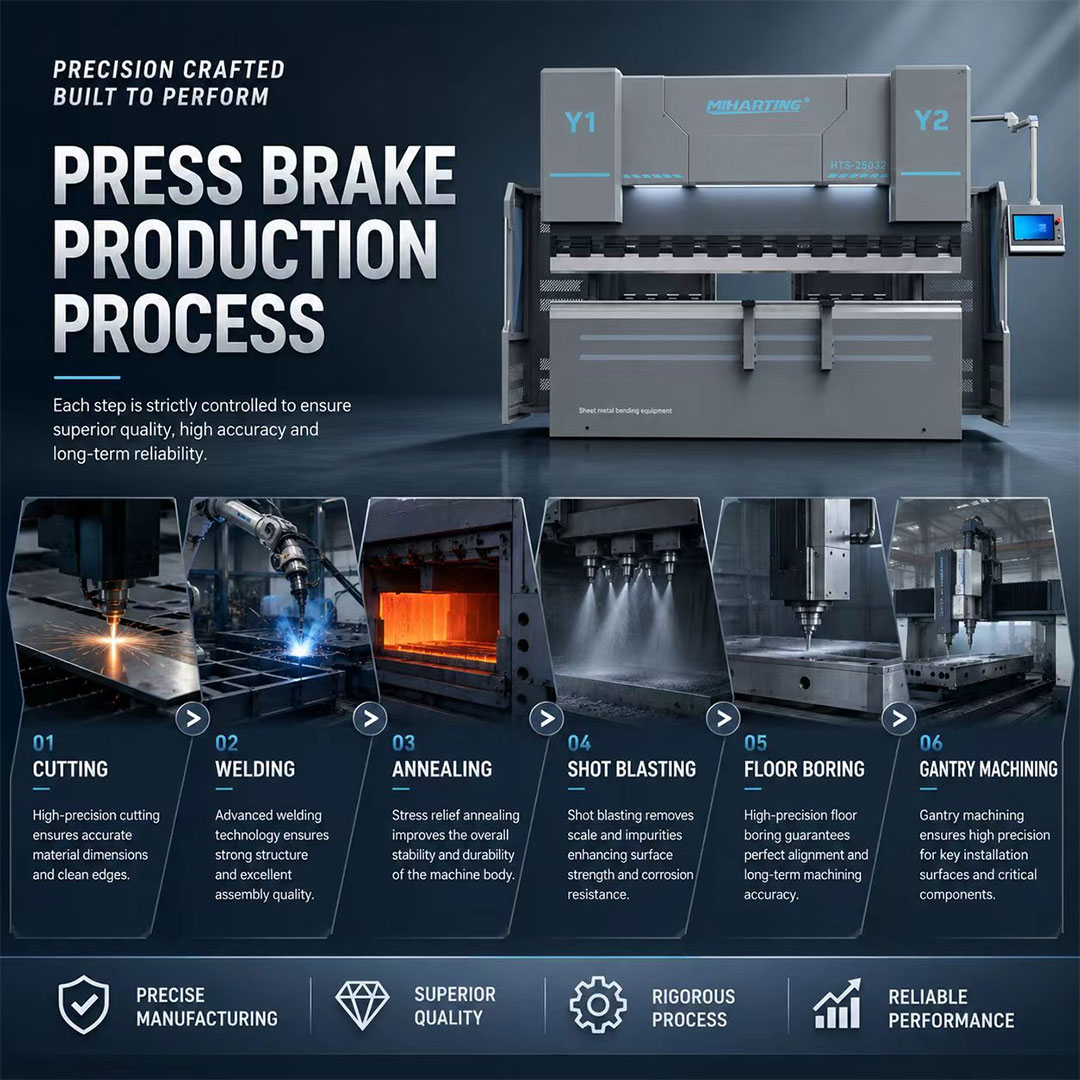
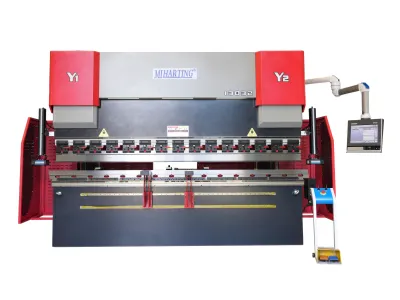
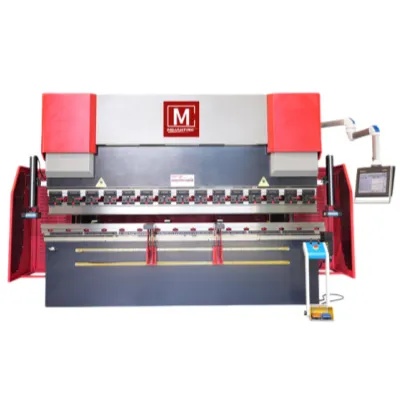
What is The Press Brake Manufacturing Process? Generally, it includes sheet metal preparation—cutting—welding and stress relief—rough machining—finishing—assembly—electrical installation—commissioning—inspection—painting—and shipment. Special attention must be paid to stress relief welding to eliminate residual stresses, as well as finishing the guideway surfaces in a single setup, to ensure the overall precision of the equipment.
1. We determine the press brake model, table length, number of CNC axes, and opening height based on the customer’s drawings and requirements, and complete 3D modeling and engineering drawings.
2. We establish welding and heat treatment specifications to facilitate the procurement of steel plates, structural sections, hydraulic components, electrical and CNC systems, and standard parts.
This primarily includes incoming inspection of steel plates, surface pretreatment, precision cutting, beveling, and pre-machining.
Assembly and tack welding of the frame, slide, worktable, and other major assemblies are performed using gas shielded arc welding. Post-welding processes include high-frequency vibration aging and stress-relief annealing to eliminate internal stresses and prevent subsequent deformation, followed by weld inspection.
1. Frame Finishing: Large gantry milling machines / floor-type boring and milling machines
2. Sliders / Worktables
3. Cylinders / Shafts
4. Backstop Components: Precision machining of X/R-axis guideways and lead screw mounting surfaces to ensure positioning accuracy.
1. Frame base: Leveling, anchor bolt fixation, and leveling adjustment to ≤0.02 mm/m using a spirit level.
2. Installation of linear guides / sliding guides
3. Cylinder installation
4. Worktable with deflection compensation to counteract frame deformation during bending.
5. Backgauge installation
6. Secure the standard V-shaped lower die and upper die
1. Hydraulic Power Unit Assembly:
2. Pipe Connections:
3. Oil Filling and Bleeding
4. Pressure Testing:
1. Electrical Cabinet Assembly
2. Sensor Installation
3. CNC System Wiring
4. Program Loading and Parameter Configuration
1. No-load Commissioning (24 hours):
· Power-on self-test
· CNC return to zero
· Torque shaft synchronization
2. Load and Accuracy Commissioning:
· Test bending
· Deflection compensation
· Backgauge accuracy
· Safety testing
3. Performance optimization
1. Geometric accuracy:
2. Working accuracy:
3. Safety and functionality:
4. Factory documentation: Certificate of Conformity, accuracy test report, electrical schematic, hydraulic schematic, operating manual, and complete spare parts list.
X. Painting and Shipment
1. Surface Treatment
2. Packaging and Shipping
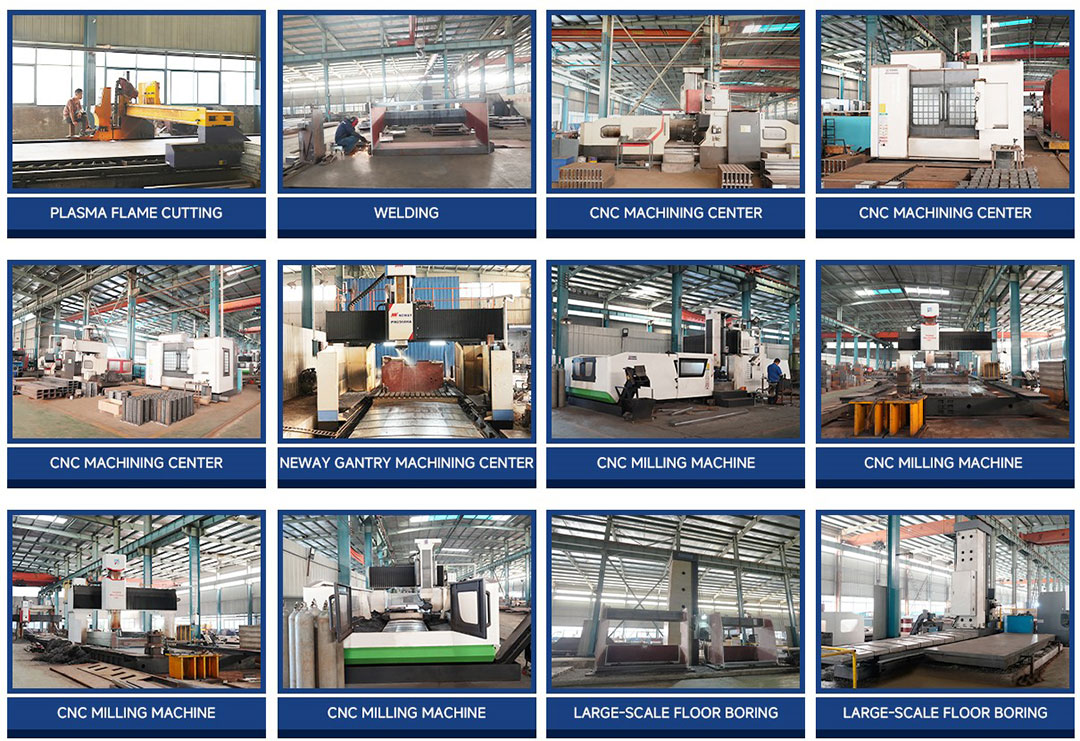
The above details the complete production process for press brake. Key focus areas include stress relief annealing, precision machining, synchronization, and deflection compensation, followed by 24-hour no-load and load bending tests. Our company strictly controls the bending brake machine production process to ensure optimal production efficiency for our customers.
 English
  中文
中文