Nov 25, 2025

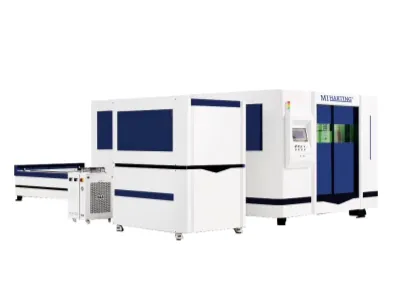
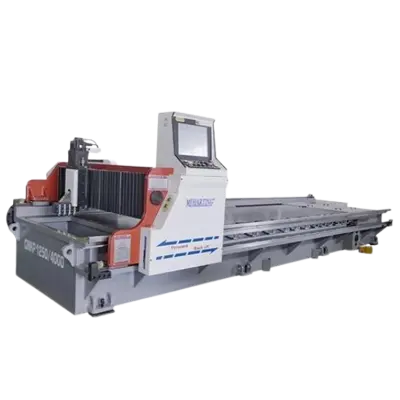
In industrial production, laser cutting technology is one of the most widely used methods of laser processing, accounting for approximately 60% of all material-based laser processing applications. CNC laser cutter is operated via numerical control programs or integrated into robotic cutting systems. A CNC laser cutter can cut nearly all materials, including two-dimensional or three-dimensional cutting of thin metal sheets. CNC laser cutter is extensively used in industries such as electrical manufacturing, transportation machinery, petrochemical engineering, automotive manufacturing, construction machinery, medical devices, decoration, and packaging.
In the field of automotive manufacturing, laser cutting technology has been widely applied to spatial curves, such as the sunroof areas of cars.
In the aerospace industry, the CNC laser cutter is primarily used for cutting special aviation materials such as titanium alloys, aluminum alloys, nickel alloys, chromium alloys, stainless steel, beryllium oxide, composite materials, plastics, ceramics, and quartz. Aerospace components processed by a CNC laser cutter include engine flame tubes, thin-walled titanium alloy housings, aircraft frames, titanium alloy skins, wing spars, tail fin panels, helicopter main rotors, and ceramic heat-insulating tiles for space shuttles.
The CNC laser cutter is also widely used in the processing of non-metallic materials. The required power is relatively low; in most cases, a continuous CO₂ laser under 1 kW is sufficient to cut thin materials. It can cut hard and brittle materials such as silicon nitride, ceramics, and quartz, as well as flexible materials such as fabric, paper, plastic sheets, rubber, and leather. For example, laser-based garment cutting can save 10%–12% of fabric and improve efficiency by over three times.
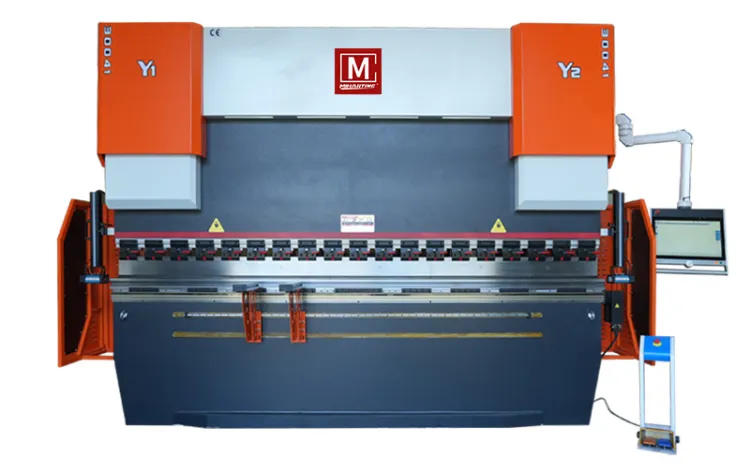
MIHARTING's CNC laser cutter utilizes advanced laser technology, delivering both high precision and high efficiency. Its precise numerical control system ensures optimal control of the cutting process, guaranteeing that each workpiece achieves the highest possible cutting quality.
 English
  中文
中文